
When your body changes without warning: why fluid retention appears
Fluid retention is one of the most common bodily sensations in women of all ages. It can appear without warning: heavier legs, a feeling of abdominal bloating, or general discomfort in the body.
At AIRECOVER we believe that understanding what happens in your body is the first step to taking better care of it, without guilt, without frustration and with more awareness.
What is fluid retention?
Fluid retention (also known as mild edema) occurs when the body accumulates more water than necessary between the tissues.
This can cause:
- Swelling in legs and ankle
- Feeling of body heaviness
- abdominal inflammation
- Annoyance at the end of the day
It is not about body fat, but rather an imbalance in the body's fluid regulation.
Main causes of fluid retention
1. Female hormonal changes
The menstrual cycle, pregnancy or menopause can directly influence fluid retention. Hormones affect how the body regulates sodium and water.
2. Sedentary lifestyle and poor circulation
Spending many hours sitting or standing without movement makes venous return difficult, especially in the legs, promoting swelling.
3. Food rich in sodium
Excess salt forces the body to retain water to balance sodium levels, which can increase feelings of bloating.
4. Stress and insufficient rest
Prolonged stress can alter metabolic processes and worsen the feeling of body inflammation and heaviness.
5. External factors
Heat, temperature changes or lack of hydration can also influence fluid retention.
What our clients tell us
At AIRECOVER we listen to many women who experience the same thing without really knowing how to explain it.
Because fluid retention is not always understood at first, but it is felt.
They write to us talking about swollen legs at the end of the day, about that feeling of not recognizing yourself in the mirror at certain times of the month, or about that swelling that appears for “no apparent reason.”
And curiously, they all agree on something: they thought it was something unique to them.
But it is not.
It is something much more common than it seems.
How AIRECOVER can help you
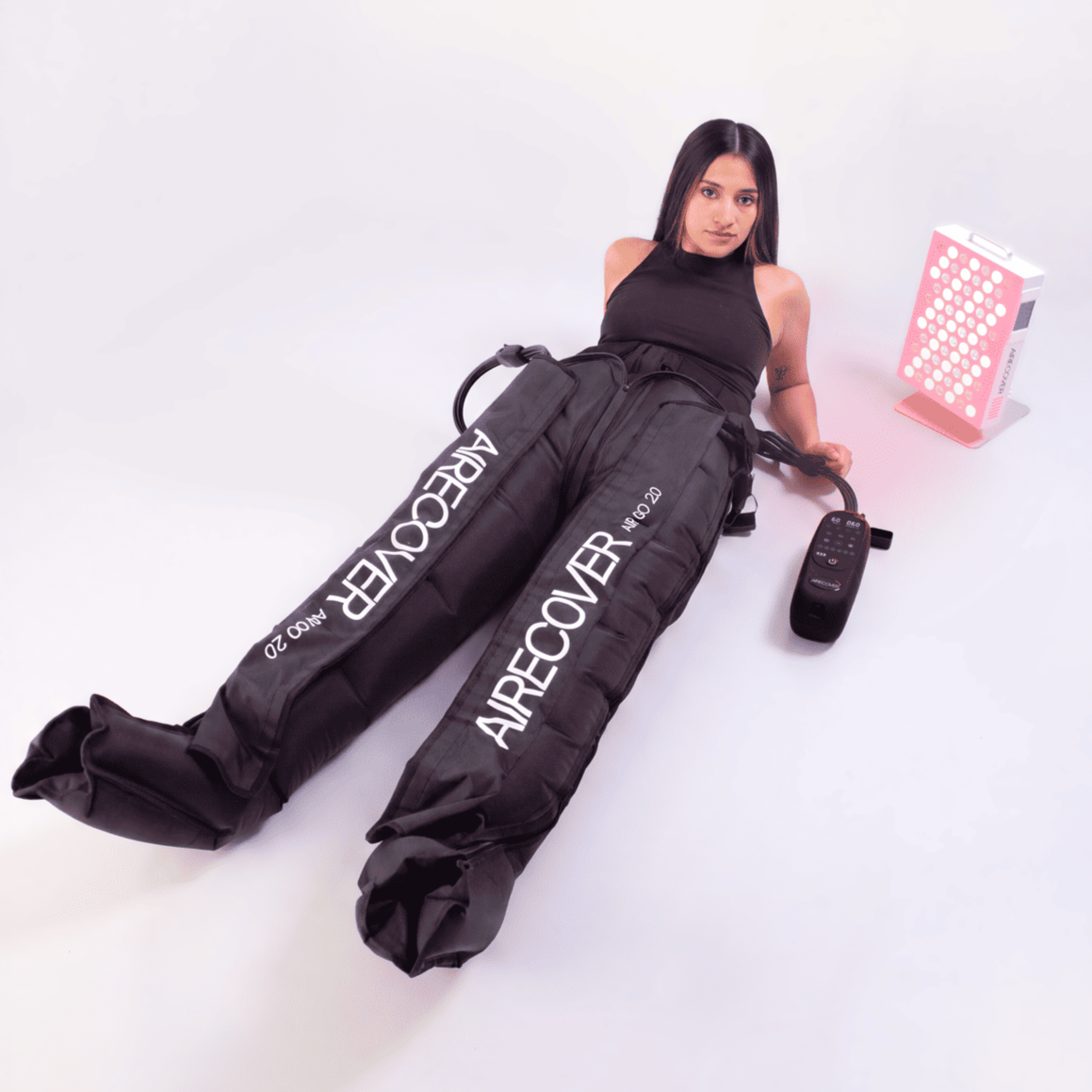
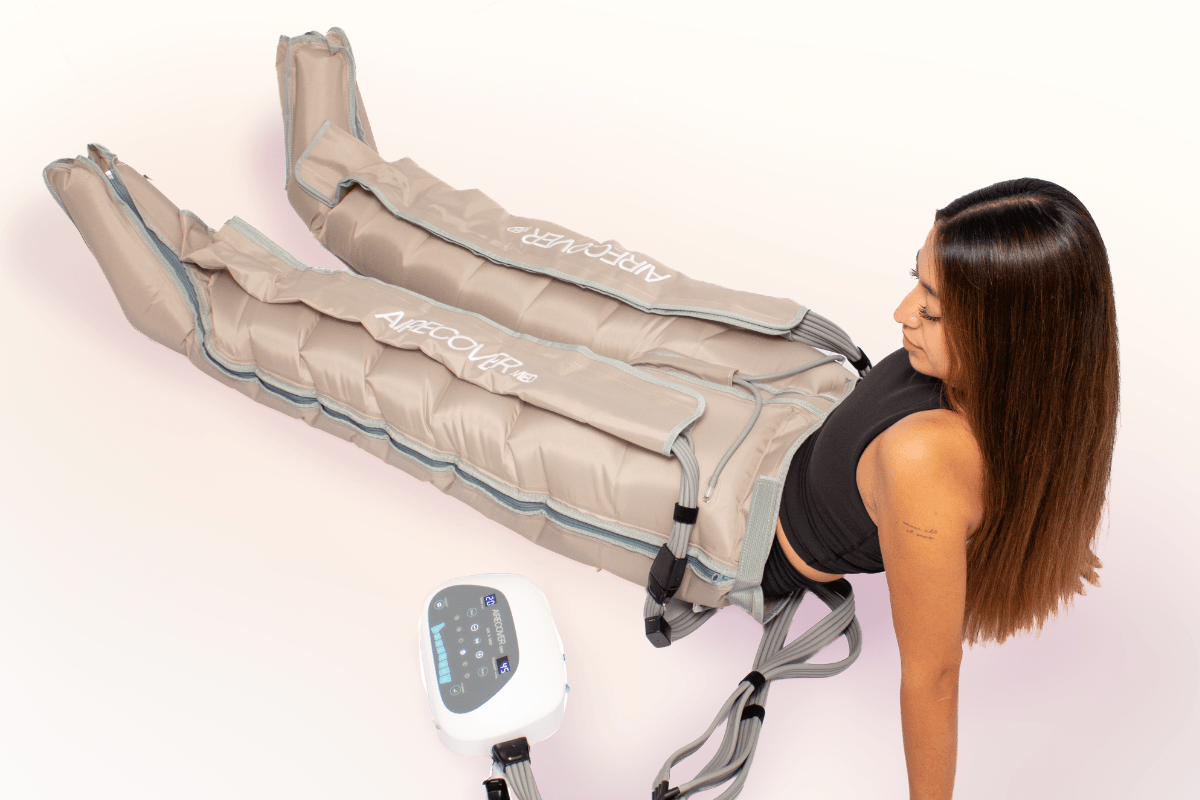
Pressotherapy is a technique that uses controlled air pressure to perform a sequential massage on the legs, stimulating the circulatory and lymphatic system.
At AIRECOVER, this technology is designed as a wellness tool at home that can help:
- Improve circulation in legs
- Reduce the feeling of swollen legs
- Promote fluid drainage
- Relieve the feeling of tired legs
It does not replace healthy habits, but it can be a great complement to daily well-being and body recovery.
Conclusion
Fluid retention is a common process, especially in women, and understanding it is key to stop seeing it as an aesthetic problem and start interpreting it as a natural response of the body.
Listening to your body, taking care of it and giving it what it needs is the basis of well-being.
At AIRECOVER we want to accompany you in this process.
And if this text has made you feel identified, share it with that friend who has ever said: “today I feel bloated for no reason.”
Because sharing what happens to us, even what we sometimes don't know how to explain, is also a way of taking care of ourselves. And in the end, sharing secrets, experiences and small truths about the body is the best thing among friends: it understands us and unites us.