Vacations are synonymous with rest, disconnection and enjoyment. However, for many people they can also be accompanied by a very common problem: swollen legs, fluid retention and a feeling of heaviness.
Long trips, intense heat, changes in routines and more hours of inactivity make the circulatory system work more slowly. The result is a bloated feeling that can affect well-being and make you not feel as light as you would like.
The good news is that this can be prevented and improved with simple habits and proper circulation support.
✈️ Why do legs swell on vacation?
During travel and summer, the body faces several factors that promote fluid retention:
- Sitting for many hours on planes, cars or trains
- High temperatures that dilate blood vessels
- Increased salt consumption when eating away from home
- Less physical activity while commuting
- Changes in schedules and hydration
All of this causes venous return to be slower and fluids to accumulate, especially in the legs, ankles and feet.
🌊 The effect of heat and the beach on circulation
Although summer invites you to move more, the heat has a direct impact on the circulatory system. Veins dilate to regulate body temperature, but this can make it difficult for blood to return to the heart.
On the beach or on very hot days it is common to notice:
- More swollen ankles at the end of the day
- Feeling of heavy legs
- Less lightness when walking
- Inflammation that increases with heat
That is why many people feel that they “rest, but swell.”
How to prevent bloating on vacation
With small daily habits you can greatly reduce the feeling of heaviness:
- Move your legs every so often on long trips
- Take short daily walks even if you are resting
- Drink enough water throughout the day
- Avoid clothing that is too tight
- Elevate your legs at the end of the day
- Showers with cold water on legs to activate circulation
- Moderate salt and alcohol consumption
These gestures help the body maintain better circulation even in hot weather.
💙 Pressotherapy: your ally for a holiday without swelling
In addition to daily habits, pressotherapy has become one of the most effective tools to combat fluid retention and the feeling of heavy legs in summer.
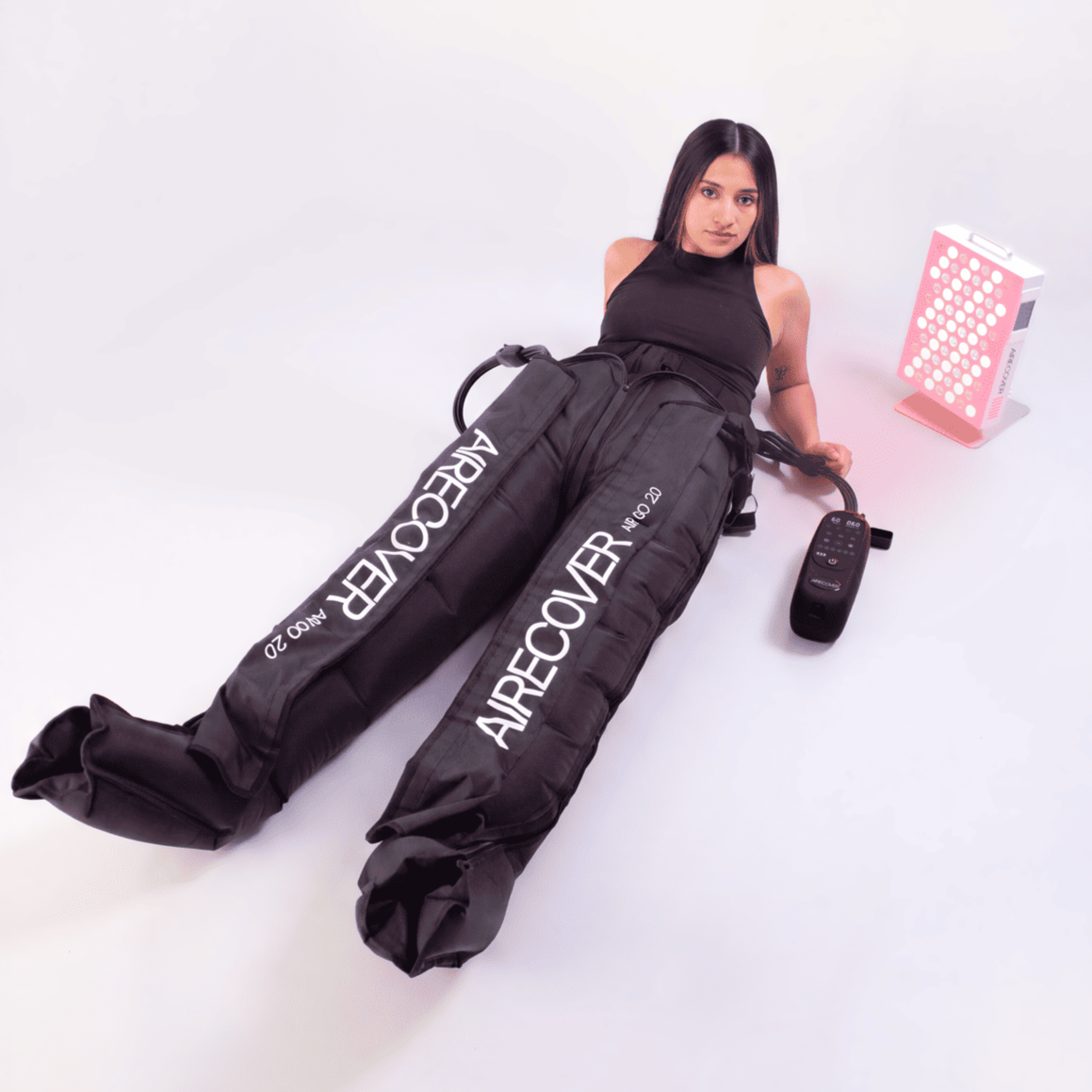
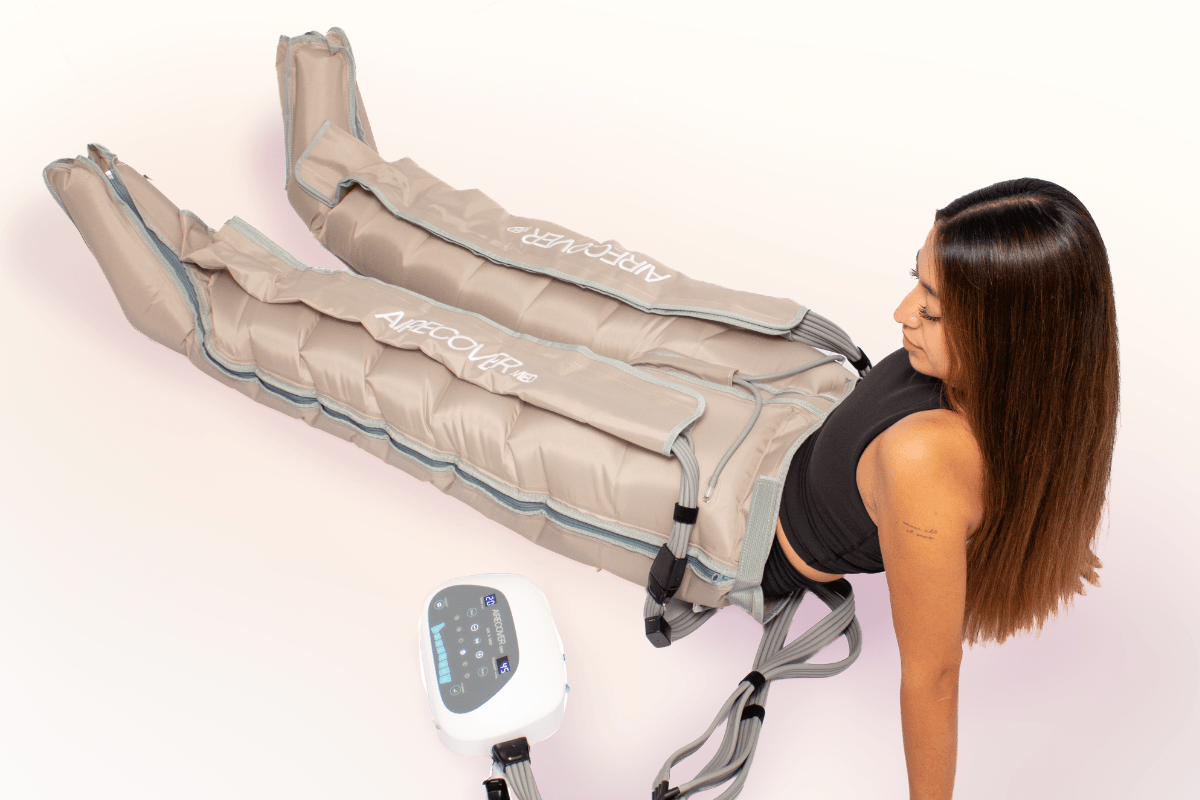
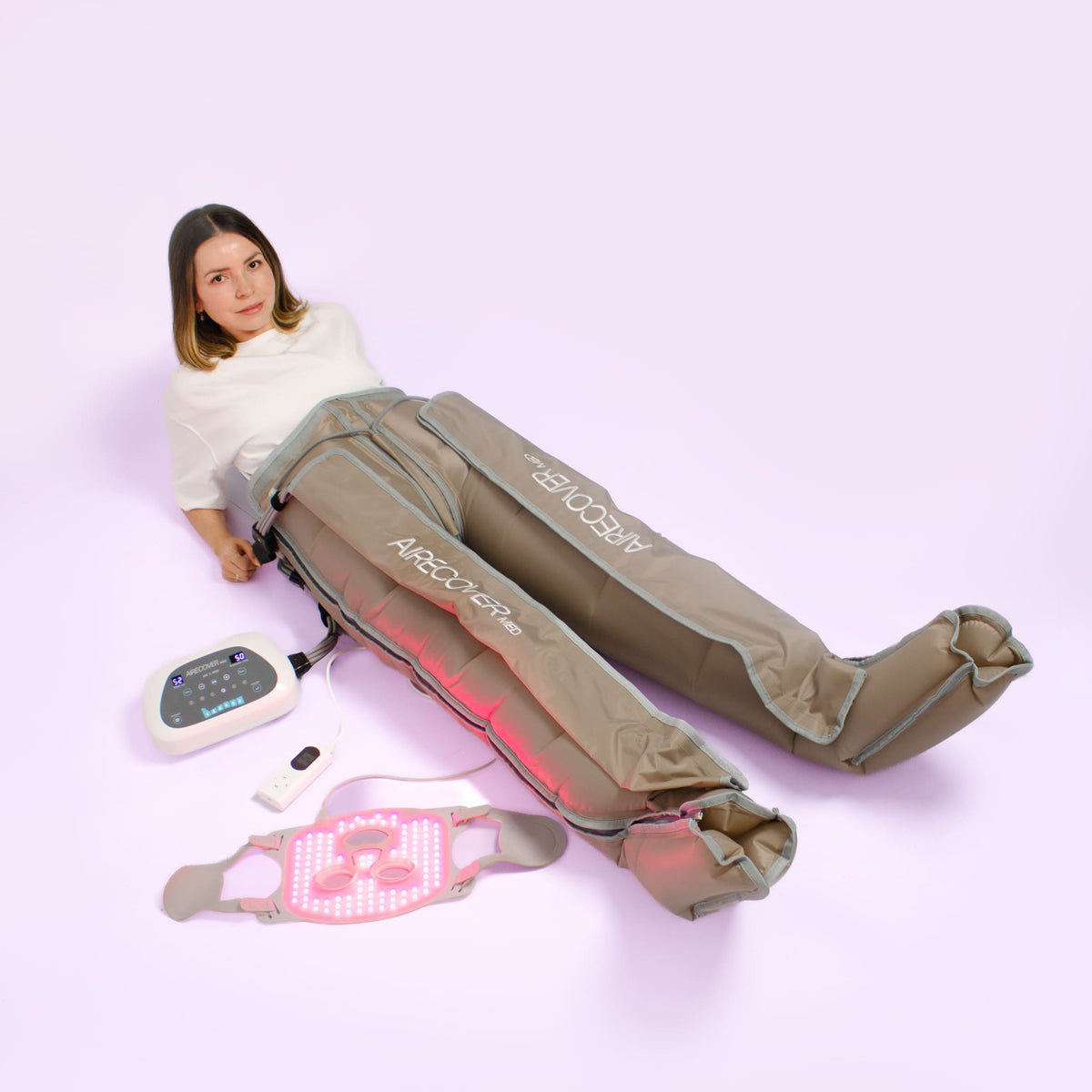
Pressotherapy uses controlled air pressure to stimulate the lymphatic and venous system, helping the body to mobilize accumulated fluids.
Vacation and summer benefits:
- Reduces swelling of legs and ankles
- Improves the feeling of heaviness after long trips
- Promotes venous return
- Helps recover lightness after heat
- Provides a feeling of immediate rest
It is especially useful if you travel a lot, spend many hours sitting or notice that in summer your body retains more fluids.
☀️ Airecover: well-being also on your vacation
At Airecover we understand that well-being doesn't stop when the holidays start. Therefore, pressotherapy becomes a perfect ally to accompany the body at this time of year.
The goal is clear: to help you enjoy the summer without the discomfort of swelling or the feeling of heavy legs.
✨ Conclusion
Vacations should feel light, not heavy. Although heat and travel promote fluid retention, with proper habits and support such as pressotherapy it is possible to prevent swelling and keep your legs more rested.
Because true rest is also felt in the body.