Can I use pressotherapy while pregnant?
Pregnancy is one of the most important stages in a woman's life. During these months, the body experiences numerous physical, hormonal and emotional changes that can generate both well-being and certain discomforts. Among the most common symptoms are fluid retention, leg swelling, a feeling of heaviness and circulatory fatigue.
Faced with these discomforts, many women look for effective and safe solutions. One of the options that generates the most interest is pressotherapy. However, a key question arises: is it safe to use pressotherapy during pregnancy?
In this Airecover article, we explain in depth everything you need to know about pressotherapy in pregnant women and in the postpartum, including benefits, risks, recommendations and safe alternatives.
What is pressotherapy?
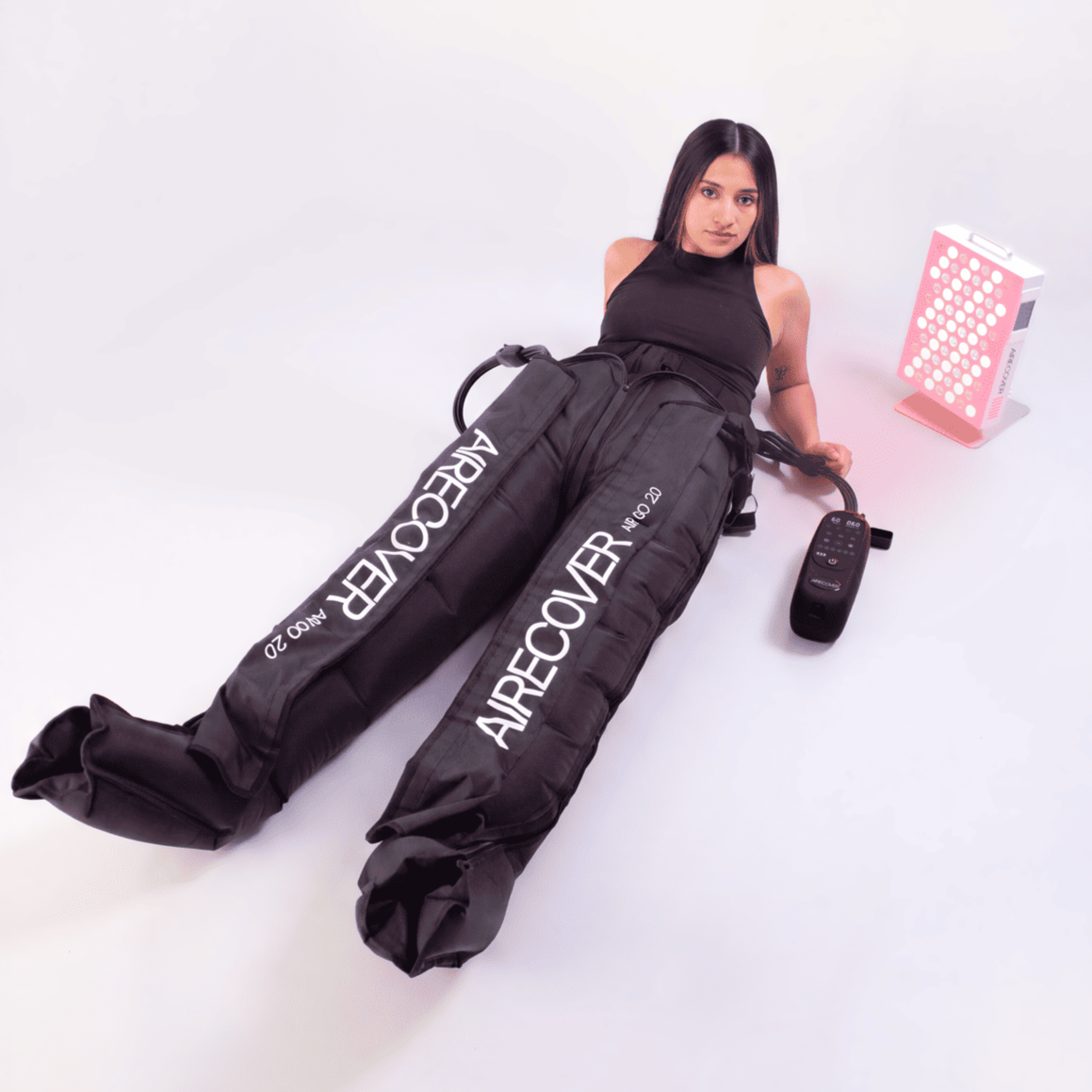
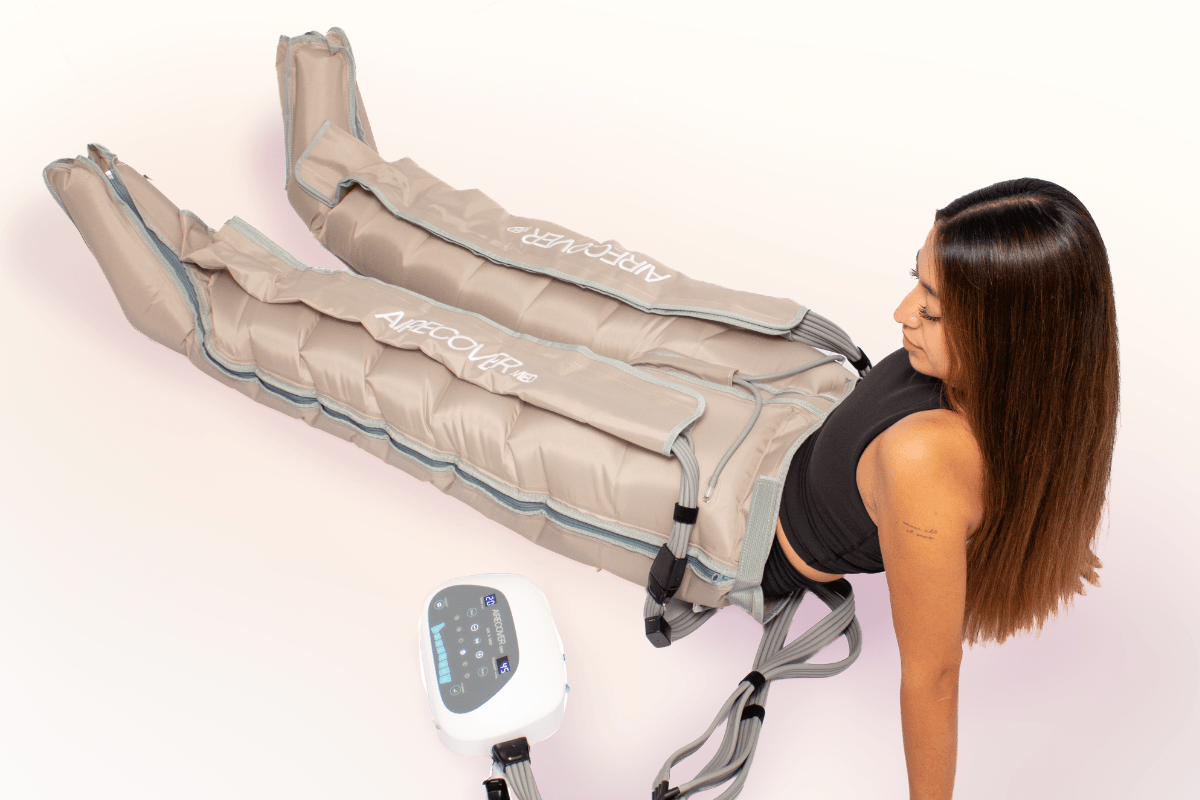
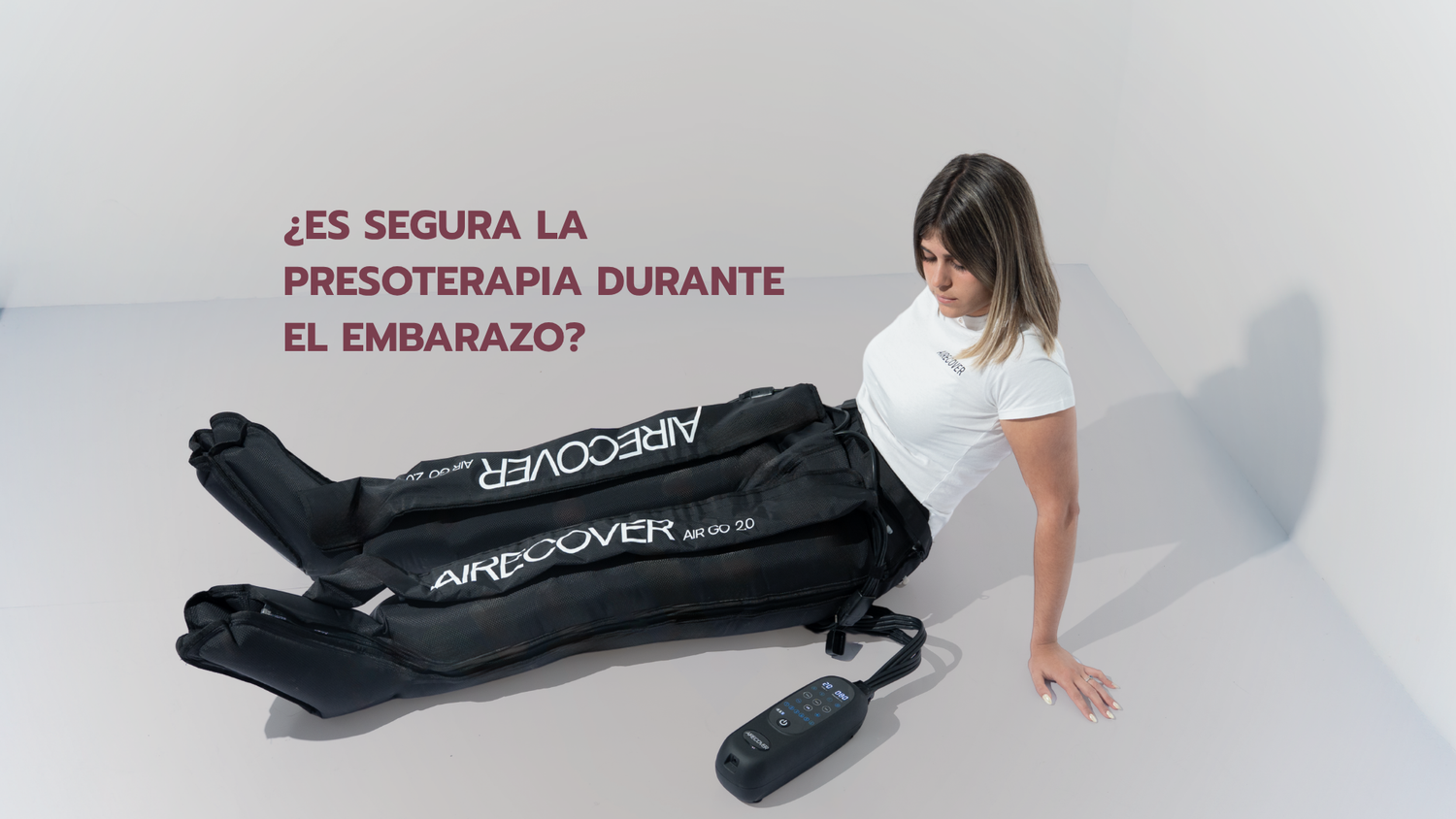
Pressotherapy is an aesthetic and therapeutic treatment that consists of the application of controlled air pressure using a specialized device. This system uses pneumatic boots, sleeves or belts that inflate and deflate sequentially.
The main objective of pressotherapy is to stimulate the lymphatic system and improve blood circulation. Thanks to this mechanism, the elimination of fluids, toxins and fats accumulated in the body is promoted.
It is a technique widely used both in aesthetic centers and in medical clinics, especially to treat problems such as fluid retention, cellulite or venous insufficiency.
Changes in the body during pregnancy
During pregnancy, a woman's body goes through a series of transformations that directly affect the circulatory and lymphatic system. These modifications are necessary for the baby's development, but they can also cause discomfort.
- Increased blood volume
- Intense hormonal changes
- Increased pressure of the uterus on the blood vessels
- fluid retention
- Decreased venous return
As a consequence, it is common for symptoms such as:
- Swelling in legs, ankles and feet
- Feeling of heaviness
- Cramps
- Appearance of varicose veins
These discomforts can significantly affect daily well-being, especially in the third trimester.
Can pressotherapy be done during pregnancy?
The answer is not universal. Pressotherapy during pregnancy is not completely prohibited, but it is not a generally recommended treatment either.
Its use will depend on each specific case and must always have the approval of a medical professional.
Cases in which it could be safe
- Pregnancies without complications
- Exclusive application on legs
- From the second trimester
- Use of gentle and controlled pressures
- Specialized professional supervision
Cases in which it is contraindicated
- Risk pregnancies
- Preeclampsia or hypertension
- Serious circulatory problems
- Thrombosis or history of clots
- Uncontrolled gestational diabetes
- Infections or inflammations
In these cases, pressotherapy could pose a risk to both the mother and the baby.
Benefits of pressotherapy in pregnant women
When applied correctly, pressotherapy can offer interesting benefits:
Improved circulation
Stimulates venous return, reducing the feeling of tired legs.
Reduced fluid retention
Promotes the elimination of accumulated liquids.
Decreased swelling
Relieves inflammation in the lower extremities.
Prevention of varicose veins
Helps maintain better circulation.
General well-being
Provides a feeling of relaxation and rest.
Risks of pressotherapy during pregnancy
Despite its benefits, there are risks if it is not applied correctly:
- Use of excessive pressure
- Altered blood flow
- Improper fluid displacement
For this reason, it is essential to consult a doctor.
Safe alternatives
If pressotherapy is not recommended in your case, there are safe options:
- Moderate exercise such as walking or prenatal yoga
- Leg raise
- Use of compression stockings
- Adequate hydration
Pressotherapy in the postpartum
After childbirth, the body begins a recovery process where pressotherapy may be more recommended.
Postpartum benefits
- Elimination of retained liquids
- Improved circulation
- Reduction of inflammation
- muscle recovery
When to start
It is recommended to start between 2 and 6 weeks after delivery, always with medical authorization.
Pressotherapy after cesarean section
In case of cesarean section, it is important to wait for proper healing and avoid the abdominal area.
Tips for safe use
- Always consult with the doctor
- Avoid the abdominal area
- Control intensity
- Listen to the body
Pressotherapy at Airecover
At Airecover, we offer personalized treatments adapted to each stage, guaranteeing safety and effectiveness. Our team evaluates each case to ensure the best result.
Frequently asked questions
Can it affect the baby?
If done correctly and with supervision, it shouldn't.
Can it be used at home?
It is not recommended during pregnancy.
How many sessions are necessary?
It depends on each individual case.
Conclusion
Pressotherapy can be a useful tool both during pregnancy and postpartum, but it should always be applied with caution and under professional supervision.
Each pregnancy is different, so it is essential to have medical advice before starting any treatment.