May 1: celebrating work is also caring for those who do it
Labor Day is not just a date on the calendar. It is a reminder of something essential: everything that makes up our daily lives is made by people who work, strive and sustain the world in many different ways.
There are visible jobs and invisible ones. There are physical, mental, sedentary, demanding, repetitive, intense or emotionally demanding jobs. But they all have something in common: the body and mind end up feeling the effort.
And that's why today we want to talk about something that is often forgotten: Rest is also part of the job.
In this context, well-being at home and tools such as pressure therapy make more and more sense.
Working doesn't always mean the same thing
When we think about working, not all of us imagine the same thing. Because spending 8 hours standing in a store, a clinic or a restaurant is not the same as spending hours sitting in front of a computer, making constant physical effort or taking care of other people throughout the day.
Each type of work implies a different load on the body, but they all have something in common: accumulated fatigue at the end of the day.
Standing work: legs that don't stop
In commerce, healthcare, hospitality, aesthetics or customer service, the legs support practically all the weight of the day. The feeling of swelling, heaviness, muscle fatigue and heat in the legs is very common.
Sitting work: invisible fatigue
Offices, teleworking and prolonged studies in front of the computer can cause poor circulation, muscle stiffness, a feeling of heavy legs and lower back or neck pain.
Physical work: constant effort
Construction, transportation, warehouses, agriculture or maintenance require lifting weight, repeating movements and maintaining demanding postures. This generates a deep muscle load that often does not disappear with a simple night's rest.
Caring for others: a job that is also tiring
Caregivers, health workers, family members who care for dependents or early childhood education professionals experience not only physical fatigue, but also emotional and mental fatigue.
All jobs have something in common
At the end of the day, the body needs rest, recovery, activation of circulation, muscle relaxation and disconnection.
Pressotherapy at home: well-being without complications
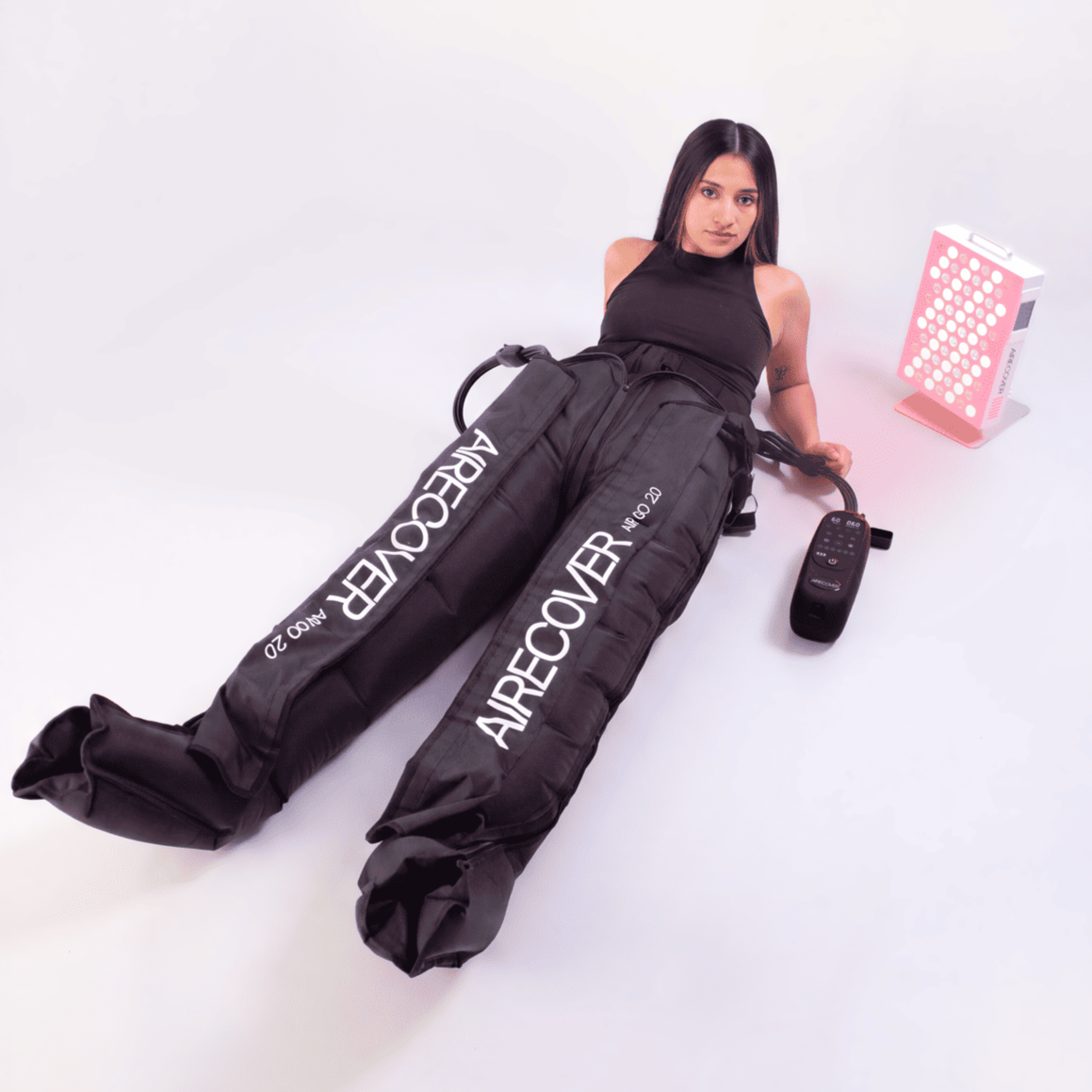
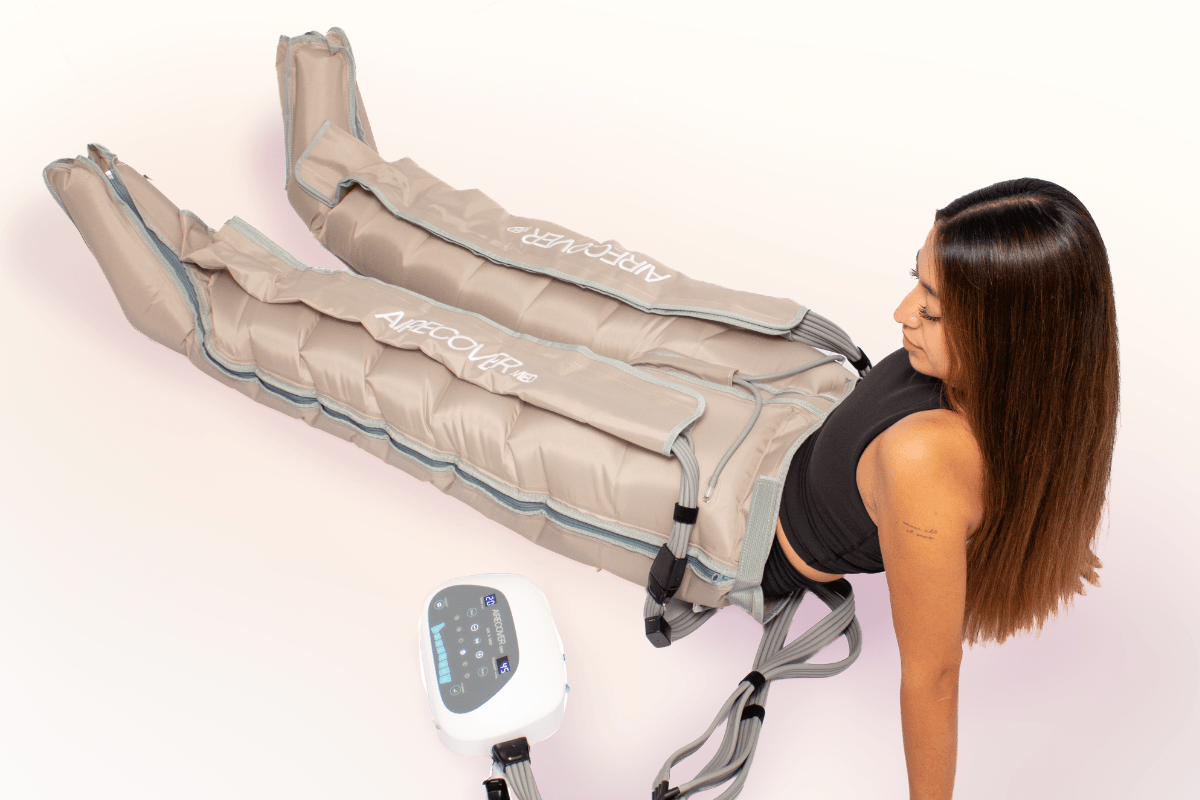
Pressotherapy is a system that uses controlled air pressure to massage the legs, helping to improve circulation, reduce the feeling of tired legs, promote lymphatic drainage, reduce swelling and provide a feeling of rest.
The most important thing: it can be used at home, without travel or complications.
Well-being at home as a new form of care
More and more people are looking for ways to take care of themselves in their own home, integrating well-being into their daily routine.
Recover your body after work
After a day of work, the body needs to return to zero. Pressotherapy can help by acting directly on circulation, swelling, accumulated tension and muscle fatigue.
Self-care is not a luxury
Taking care of yourself is a way to maintain energy, prevent accumulated fatigue, improve quality of life and perform better on a daily basis.
Small habits that make a difference
- Elevate your legs for a few minutes at the end of the day
- Hydrate properly
- Take active breaks if you work seated
- Stretch before and after work
- Get enough sleep
Conclusion: work yes, but also take care of yourself
Labor Day should also be a reminder of balance. Because working is important, but so is recovering. We all deserve to come home and feel relief.