
Lipedema: why your legs hurt, swell and no one has explained the real reason
If your legs have been feeling heavy, swollen, or painful for a long time, but no one gives you a clear answer, you are not exaggerating.
It's not just fluid retention. It's also not just hard fat to lose.
It is very likely that you are living with something that is hardly talked about: the lipedema.
For years, thousands of women have heard the same thing: “exercise more,” “eat better,” “that's normal.” But the reality is different.
Lipedema is a real condition, underdiagnosed and often misunderstood, that affects not only the body, but also how you feel about yourself.
And most frustrating of all: you can be doing everything “right”… and still not notice any changes.
The good news is that, although there is no definitive cure, there are real ways to relieve its symptoms and start to feel better in your daily life.
No, it is not fluid retention (although it may seem like it)
Lipedema is a disease of adipose tissue. Fat is distributed abnormally and does not respond the same to diet or exercise.
That's why many women feel frustration: they do everything right but they don't see results in their legs.
How to recognize lipedema
- Legs with more volume than the rest of the body
- Pain when pressing the skin
- Frequent bruises
- Progressive heaviness during the day
- “Cut” on ankles
- Resistance to losing volume in legs
Why lipedema appears
It is mainly associated with hormonal and genetic factors. It usually appears in stages such as puberty, pregnancy or menopause. Many women discover a family history without a prior diagnosis.
The emotional impact
Lipedema not only affects physically. It also impacts self-esteem, security and the relationship with one's own body. Many women live for years thinking that it is their fault.
Is lipedema curable?
There is no definitive cure, but there are ways to significantly improve symptoms. The goal is not to eliminate it, but to reduce pain, inflammation and heaviness.
What helps improve lipedema
-
Anti-inflammatory diet
Reducing ultra-processed foods and sugar helps reduce inflammation. -
Gentle exercise
Walking, swimming, or constant movement is more effective than high-impact exercises. -
lymphatic drainage
It helps reduce fluids and improve circulation, although it requires consistency.
Pressotherapy: a key tool
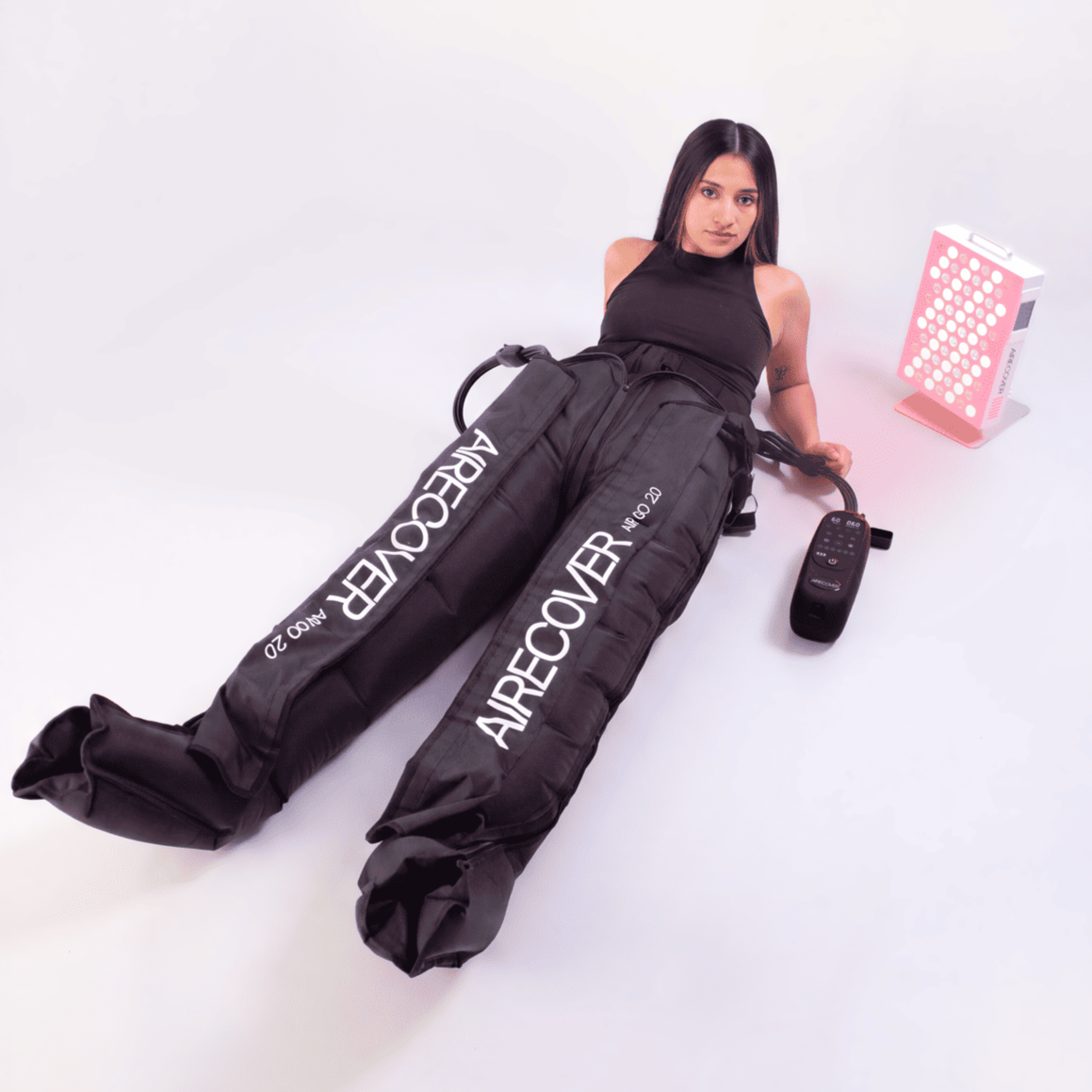
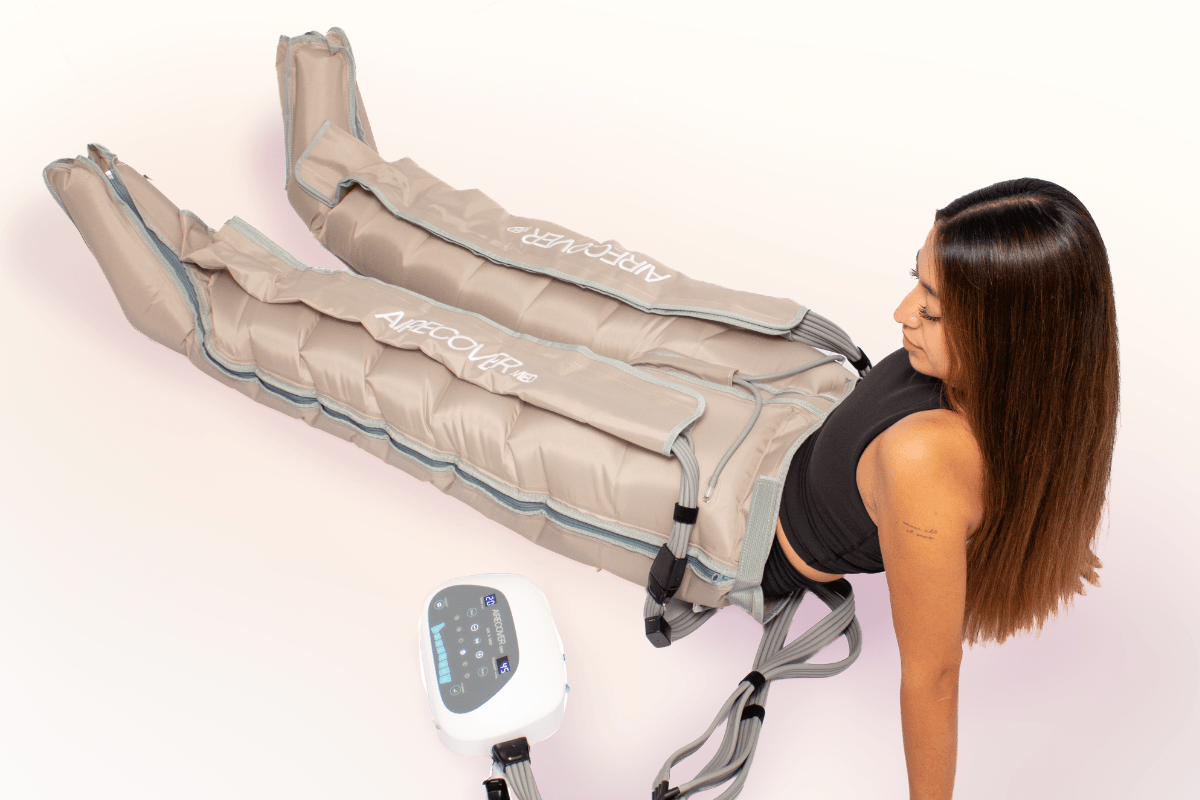
Pressotherapy uses air pressure to stimulate the lymphatic system and improve circulation. It produces a massage that helps reduce the feeling of heavy legs and swelling.
- Reduces inflammation
- Improves circulation
- Relieves heaviness
- Reduces pain
Why use pressotherapy at home
The key in lipedema is not intensity, but consistency. Doing it at home allows you to maintain a daily routine without depending on appointments or trips.

Airecover Med 6.0 Pants
Pressotherapy pants with 6 chambers · Pressure up to 260 mmHg · Coverage up to the abdomen
Airecover: pressotherapy at home
Airecover allows you to integrate pressotherapy into your daily routine in a comfortable and constant way.
No travel. No complications. In your own space.
The goal is not to change your life, but to help you feel better every day.
What you can notice with constant use
- less swelling
- Lighter legs
- less pain
- Better overall feeling
Conclusion
Lipedema is not something you should ignore or normalize. Understanding it is the first step to improving how you feel in your body.
Pressotherapy at home is not a cure, but it is a tool that can make a real difference in your well-being.
Because it's not just about how your legs look, it's about how you feel living in them.