The silent enemy of female circulation: a sedentary lifestyle and its effects on circulation and legs
We spend hours sitting working, driving, studying or simply resting. Although we may not notice it, this seemingly harmless routine directly affects our blood and lymphatic circulation.
A sedentary life has become one of the main factors that harm female physical well-being. It is enough to spend many hours a day sitting to begin to notice heavy legs, swelling, fluid retention or constant fatigue.
How a sedentary life affects female circulation
When we sit for a long time or in the same position, the body reduces venous return. This means that blood has a harder time returning from the legs to the heart.
Symptoms of poor circulation due to a sedentary lifestyle
- Tired or heavy legs
- Swelling in ankles and calves
- fluid retention
- Appearance of cellulite
- Tingling or numbness
- Varicose veins and spider veins
- Less muscle recovery
Hormonal factors that affect circulation in women
- Menstruation
- Pregnancy
- Menopause
- Use of hormonal contraceptives
Fluid retention and cellulite: warning signs
Poor circulation not only affects daily well-being, it also influences body aesthetics and the feeling of inflammation.
Why cellulite appears
The accumulation of fat, fluids and toxins worsens the appearance of orange peel skin.
Body inflammation and feeling of heaviness
Many women feel like they weigh more on some days when they are actually retaining fluid.
Benefits of pressotherapy for women with a sedentary lifestyle
Pressotherapy is one of the most recommended treatments to improve circulation and stimulate lymphatic drainage in a non-invasive way.
Improves blood circulation
It promotes venous return and mobilizes blood accumulated in the legs.
Reduces fluid retention
Stimulates lymphatic drainage and helps eliminate retained fluids.
Relieves tired legs
Generates an immediate feeling of rest and lightness.
Helps fight cellulite
Improves tissue oxygenation and promotes the elimination of toxins.
Recovery and well-being
Ideal after long days at the office, traveling, standing work or training.
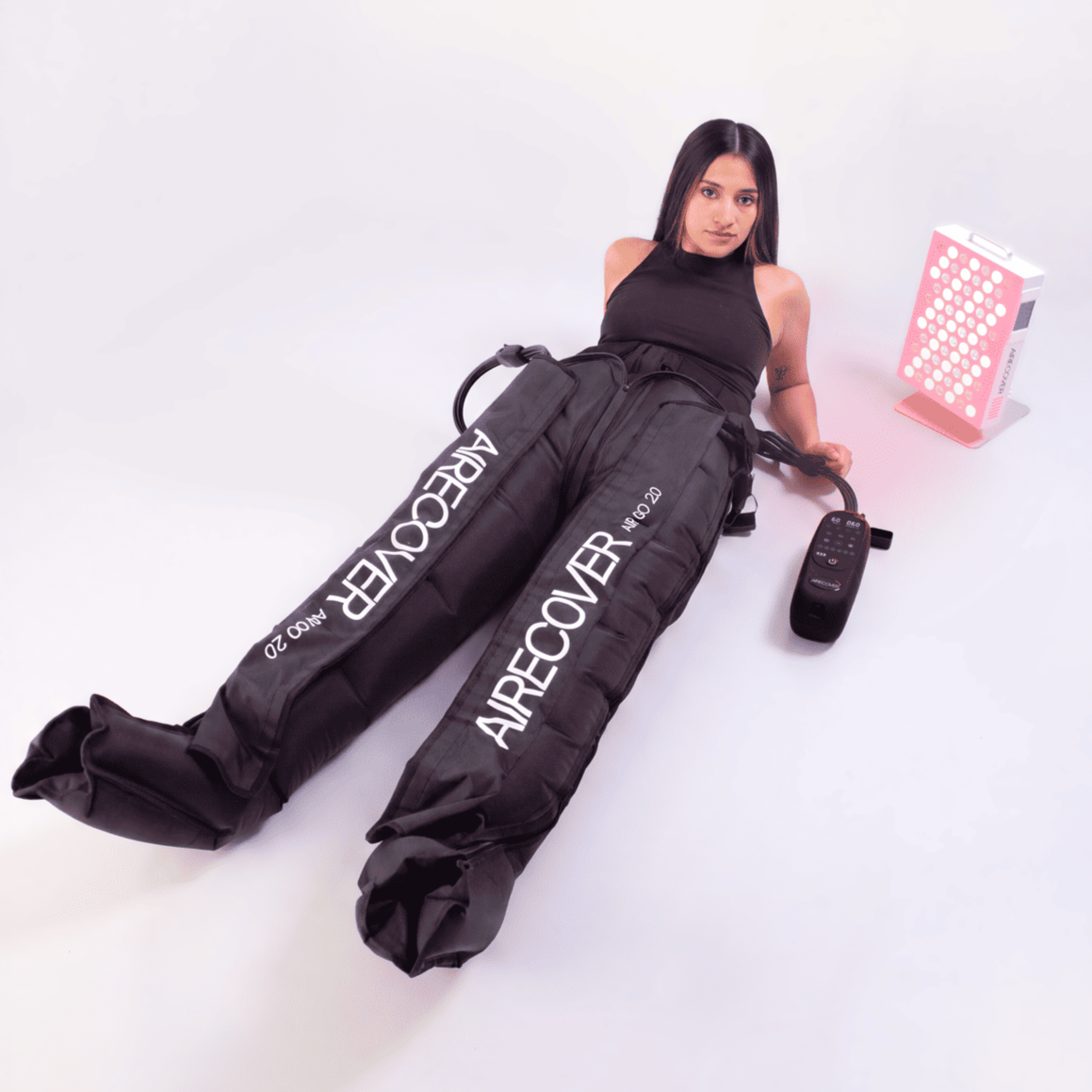
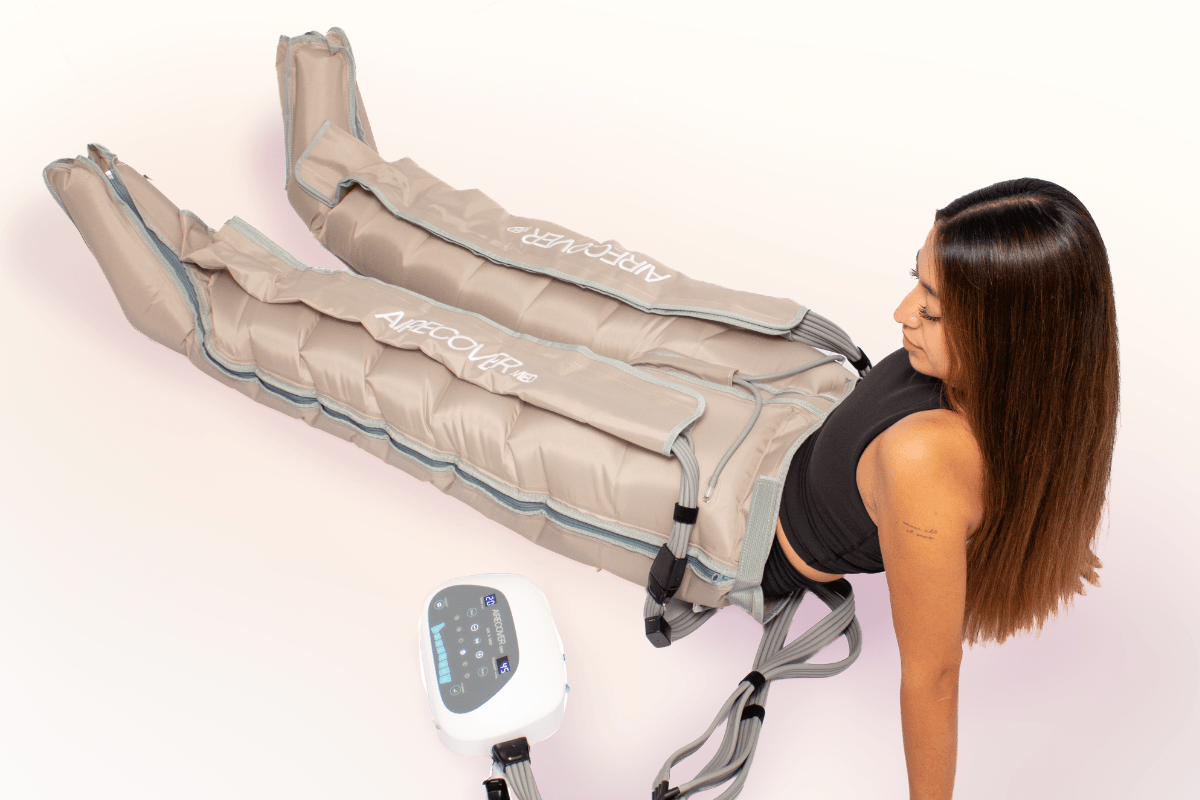
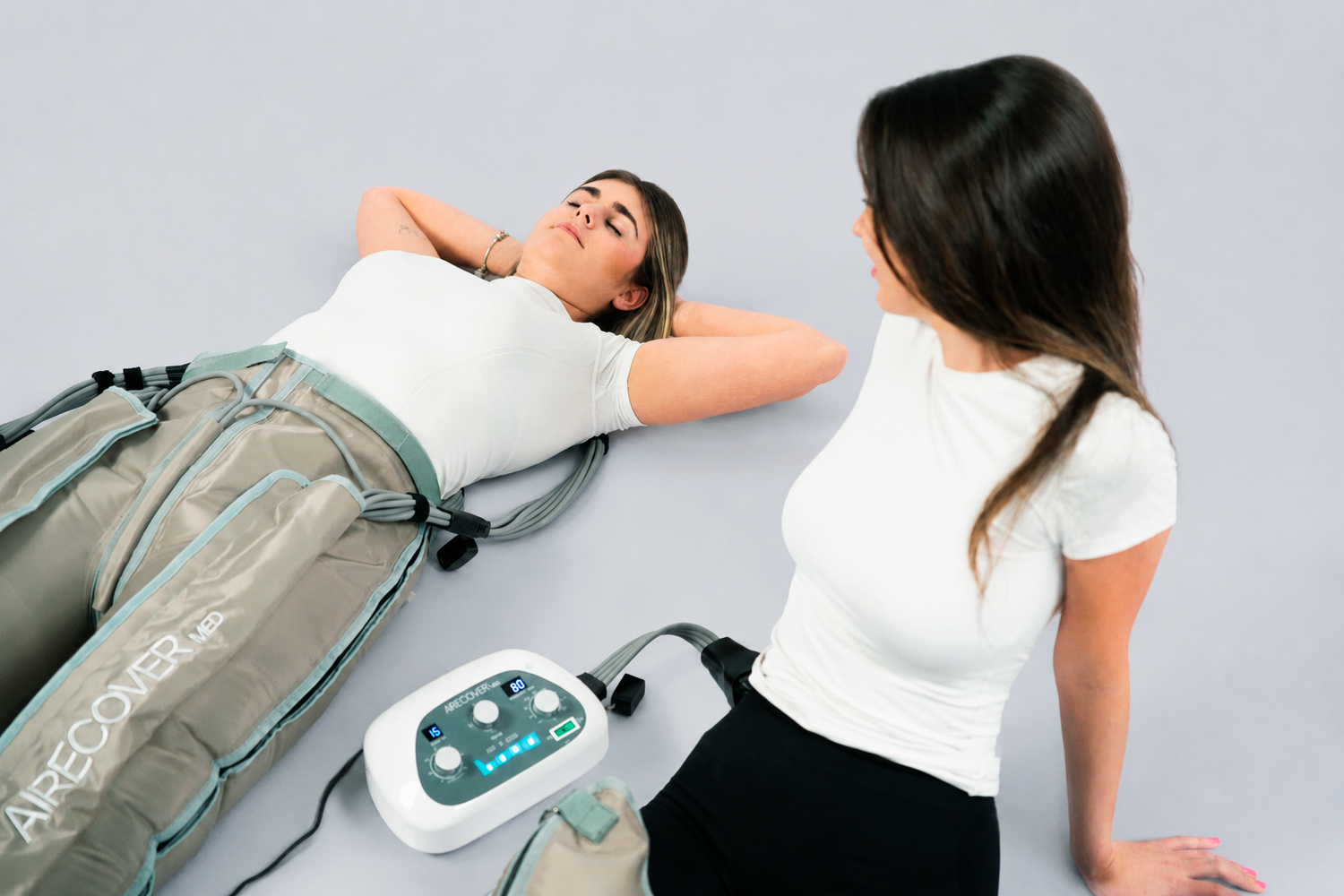
Pressotherapy at home: practical solution for circulation
Pressotherapy at home allows you to enjoy these benefits without traveling, integrating self-care into your daily routine.
With systems like those of Airecover, You can incorporate recovery and drainage sessions comfortably at home.
Who is pressotherapy recommended for?
- Women who work long hours sitting
- Teleworking
- Frequent trips
- Sport and muscle recovery
- Recurrent fluid retention
How to improve circulation in addition to pressotherapy
Walk more during the day
Get up every hour and activate your legs.
Stay well hydrated
Water helps eliminate toxins and retained fluids.
Avoid clothing that is too tight
It can hinder venous return.
Elevate your legs a few minutes a day
Reduces the feeling of heaviness and improves circulatory return.
Conclusion: taking care of your circulation is taking care of your well-being
A sedentary lifestyle affects your body long before you are fully aware of it. Tired legs, fluid retention or swelling should not be normalized.
Incorporating solutions such as pressotherapy can help you feel lighter, active and comfortable in your daily life.