Fluid retention: myth or reality and how to identify it correctly
Fluid retention is one of the most consulted topics when talking about well-being, health and body weight control. Many people associate abdominal bloating, sudden weight gain, or the feeling of heavy legs with fluid retention, but this is not always the case.
In reality, fluid retention can have multiple causes and is not always a serious problem. Knowing how to differentiate between fluid retention, inflammation or normal physiological changes is key to understanding how the body works.
In this article we analyze in depth what fluid retention is, why it occurs, what its symptoms are and what you can do to reduce fluid retention naturally.
What is fluid retention?
Fluid retention, also known as edema, occurs when the body accumulates excess water in the body tissues instead of properly eliminating it through urine or the lymphatic system.
The human body is made up of approximately 60% water, and maintaining a water balance is essential for the proper functioning of organs, blood circulation and the cellular system.
When this balance is altered, inflammation can appear in areas such as:
- Ankles and feet
- Legs
- Abdomen
- hands
- face
It is important to note that fluid retention is not a disease in itself, but rather a symptom that can be associated with different factors.
Fluid retention: myth or reality?
There is a lot of confusion surrounding fluid retention because many people attribute any bloating to this phenomenon.
✔️ It is reality because…
Fluid retention is a medically documented physiological process. It can appear due to hormonal imbalances, circulatory problems, high sodium consumption or certain pathologies.
❌ It's a myth when...
Fluid retention is blamed for any daily weight variation or occasional bloating episodes.
For example, after a meal high in carbohydrates or salt it is normal to experience slight temporary swelling.
Main causes of fluid retention
Fluid retention can appear for different reasons. Among the most frequent are the following.
Hormonal changes
Hormonal fluctuations are one of the most common causes of fluid retention, especially in women.
During the menstrual cycle, the increase in some hormones can promote the accumulation of water in the body, causing a sensation of abdominal swelling or sensitivity in the legs.
It can also occur during pregnancy or during menopause.
High salt consumption
Sodium plays a fundamental role in the balance of body fluids. When the diet contains too much sodium, the body retains water to maintain the proper concentration of minerals.
Ultra-processed foods, sausages, salty snacks and prepared meals are usually the main sources of excess salt in the diet.
Sedentary lifestyle and circulatory problems
Spending many hours sitting or standing without movement hinders venous return and can promote fluid accumulation in the lower extremities.
This problem is especially common in people with office jobs or little physical activity.
Climate and ambient temperature
Heat causes vasodilation, which facilitates the outflow of fluid from the blood vessels into the tissues.
This is why many people notice greater swelling during the summer.
Medication and medical factors
Some drug treatments can induce fluid retention as a side effect.
In addition, diseases such as kidney, liver or heart problems can manifest with edema, so it is important to rule out medical causes if the retention is persistent.
Symptoms of fluid retention
Identifying the symptoms of fluid retention helps differentiate it from other types of inflammation.
- The most common signs are:
- Visible swelling in the feet, ankles, hands or abdomen
- Feeling of body heaviness
- Shiny or stretched skin
- Marks that remain for a few seconds when pressed on the skin
- Weight changes in a short time
-
Discomfort when wearing shoes or rings
How to know if you have fluid retention
There are some simple methods to detect possible signs of fluid retention.
digital pressure test
It consists of gently pressing the swollen area for a few seconds.
If the skin takes a while to recover its shape when you remove the finger, there could be fluid accumulation.
Body weight control
People with water retention may experience relatively rapid weight gain or loss, even without changes in diet or exercise.
However, body weight can fluctuate for multiple reasons, so it should not be the only indicator.
How to reduce fluid retention naturally
Although treatment depends on the cause, there are habits that can help improve fluid retention.
Maintain proper hydration
It may seem contradictory, but drinking enough water helps the body eliminate excess fluids and promotes the functioning of the kidney system.
Dehydration can cause the body to retain water as a protective mechanism.
Reduce sodium intake
Limiting ultra-processed foods and controlling added salt in foods can help reduce bloating.
It is not about completely eliminating sodium, but rather maintaining a balanced consumption.
Perform physical activity
Exercise improves blood circulation and the functioning of the lymphatic system, helping to mobilize accumulated fluids.
Walking, swimming, or doing low-intensity exercises can be good options.
Consume natural diuretic foods
Some foods can help the body eliminate fluids naturally, such as fruits rich in water or vegetables high in potassium.
Massages and lymphatic drainage
Lymphatic drainage may be helpful in some cases to stimulate the movement of body fluids and reduce inflammation.
Pressotherapy: an effective solution for fluid retention
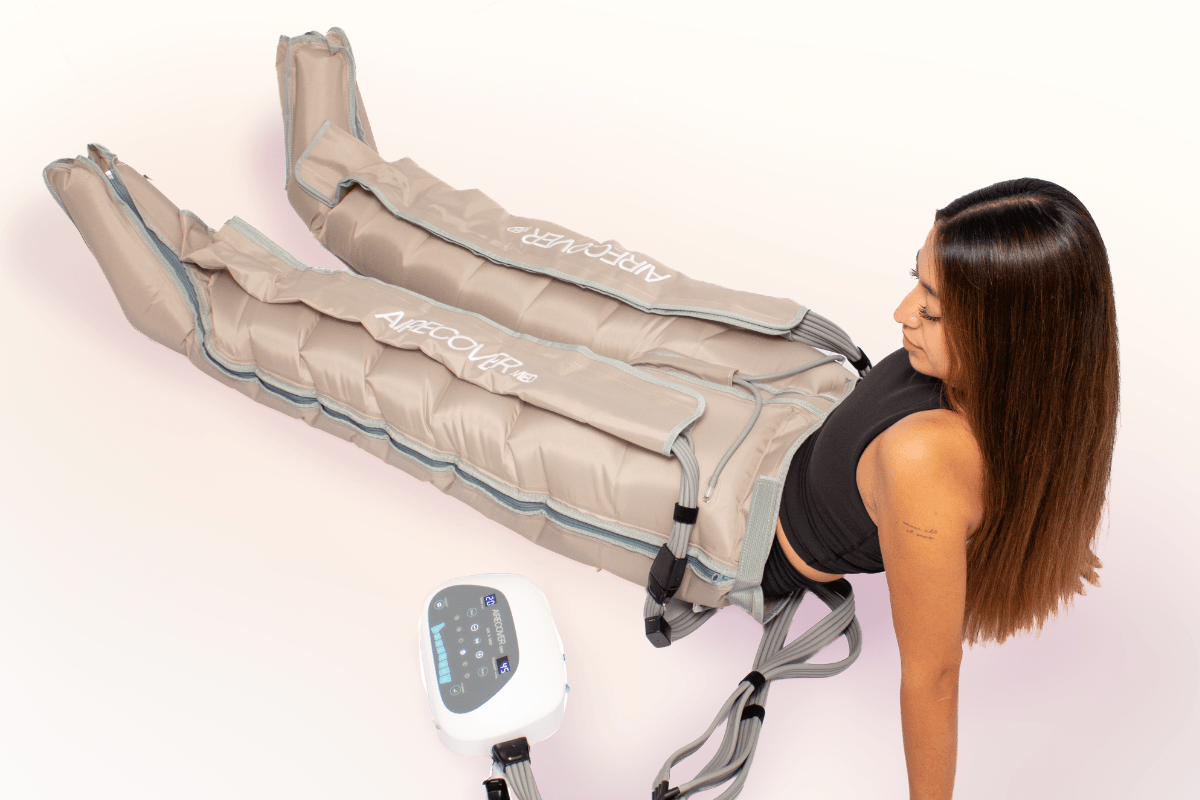
When fluid retention is related to circulatory problems, a sedentary lifestyle or difficulties in lymphatic drainage, pressotherapy It becomes one of the most effective and safe tools to improve this condition.
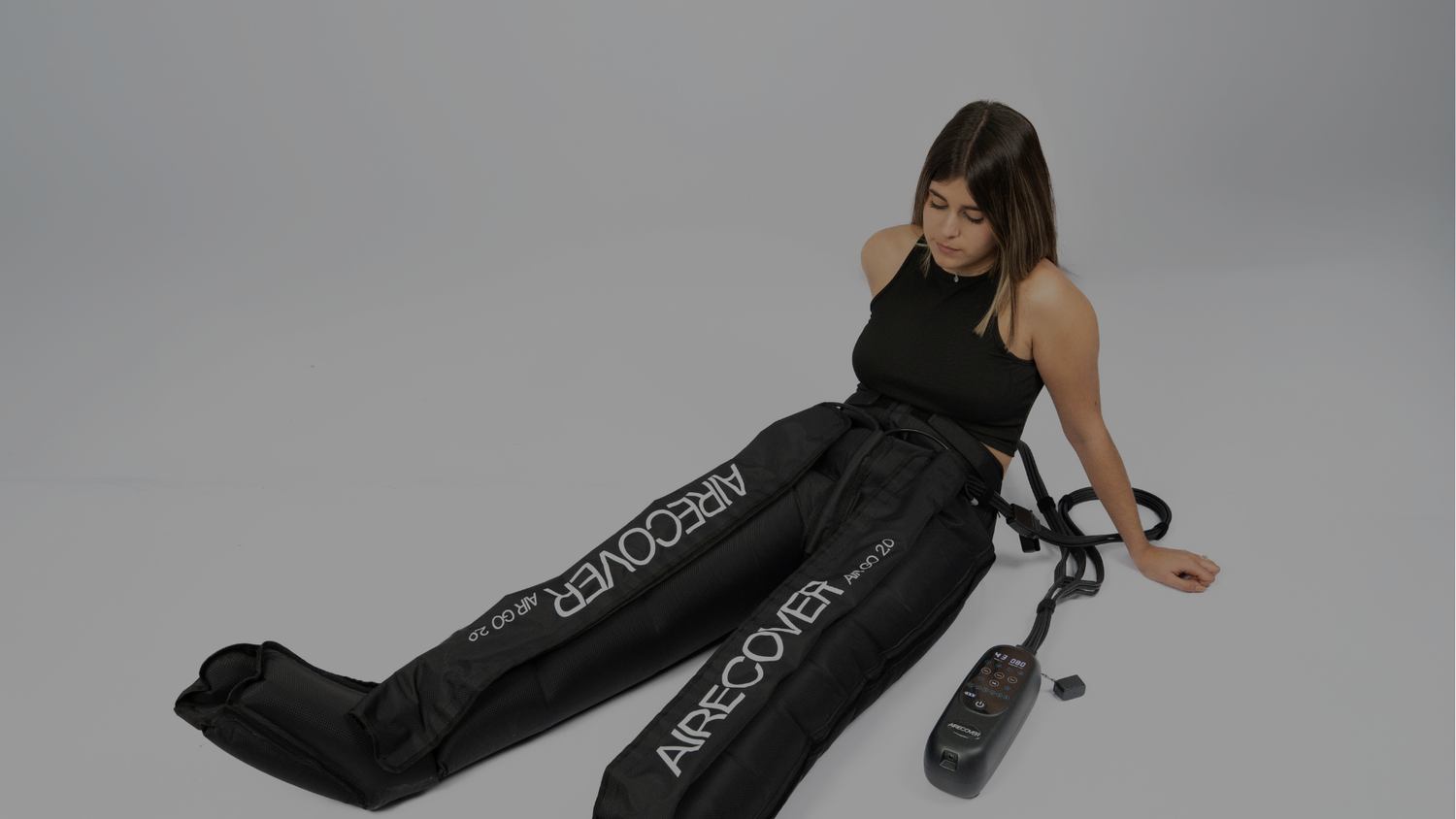
Pressotherapy consists of the application of controlled and sequential air pressure through devices designed to stimulate the lymphatic system and promote venous return. This process helps the body to mobilize excess fluid accumulated in the tissues, reducing swelling and improving the feeling of heaviness.
Unlike specific solutions, pressotherapy acts directly on the mechanical origin of the problem: the lack of activation of lymphatic drainage and venous circulation.
Among his main benefits stand out:
- Stimulation of lymphatic drainage
- Improved venous return
- Reduction of inflammation in legs and abdomen
- Decreased feeling of heaviness
- Improved general well-being
The Airecover Med Line: designed to treat fluid retention
At Airecover we have developed the Med Line specifically to address issues such as fluid retention from a professional approach.
Our equipment is designed to offer:
- Sequential and progressive compression
- Programs adapted to therapeutic needs
- Uniform pressure distribution
- Technology focused on improving circulation and drainage
The Med Line is designed for both professional centers and users looking for an advanced and safe solution to treat fluid retention constantly and effectively.
Pressotherapy does not replace medical diagnosis when there is an underlying pathology, but it does represent a highly effective complementary treatment in cases of functional retention, venous stasis or recurrent feeling of tired legs.
When to see a doctor?
It is advisable to see a health professional if fluid retention:
- It is persistent
- Appears suddenly
- It is accompanied by pain
- It is associated with respiratory distress
- Does not improve with lifestyle changes
Medical evaluation is essential to rule out underlying pathologies.
Conclusion
Fluid retention is a real phenomenon that can have multiple origins, from hormonal factors to lifestyle habits or medical conditions.
Not all swelling is fluid retention, since these are often temporary inflammations of the body.
Adopting a balanced diet, maintaining good hydration and engaging in regular physical activity are the bases for preventing and improving fluid retention naturally.