Feeling bloated, heavy legs, or difficulty removing a ring at the end of the day are common complaints that many people experience. In many cases, these symptoms are related to fluid retention, a problem that can be influenced by lifestyle, diet or even high temperatures.
The good news is that small changes to your daily routine can help reduce this sensation and promote better circulation.
What is fluid retention?
Fluid retention, also known as edema, occurs when the body accumulates more fluid than it is able to eliminate. This accumulation usually appears most frequently in the legs, ankles, feet or abdomen.
Although it may be due to certain pathologies, in most cases it is related to daily habits that can be corrected.
Why does it appear?
There are different factors that favor fluid retention:
- Sitting or standing for many hours.
- Lack of physical activity.
- High salt consumption.
- Drink little water.
- Hormonal changes.
- High temperatures.
- Bad circulation.
Identifying the cause is the first step to reducing swelling and improving daily well-being.
1. Stay well hydrated
It may seem contradictory, but drinking enough water helps the body eliminate excess fluids.
When the body detects a low water intake, it tends to store it as a defense mechanism. Maintaining adequate hydration favors the functioning of the kidneys and facilitates the elimination of fluids.
2. Reduce salt consumption
An excess of sodium favors the accumulation of fluids in the tissues.
Avoiding ultra-processed foods, sausages or salty snacks and opting for fresh foods can make an important difference.
3. Move during the day
Spending many hours in the same position hinders venous return and can increase the feeling of heavy legs.
Walking a few minutes every hour, climbing stairs or doing small stretches helps activate circulation.
4. Exercise regularly
It is not necessary to do intense training.
Activities such as walking, swimming, cycling or practicing yoga promote blood circulation and natural drainage of fluids.
The most important thing is to maintain consistency.
5. Elevate your legs when you rest
At the end of the day, elevating your legs for a few minutes above heart level can facilitate blood return and reduce the feeling of swelling.
It is a simple gesture that many people incorporate into their daily routine.
6. Incorporates pressotherapy sessions
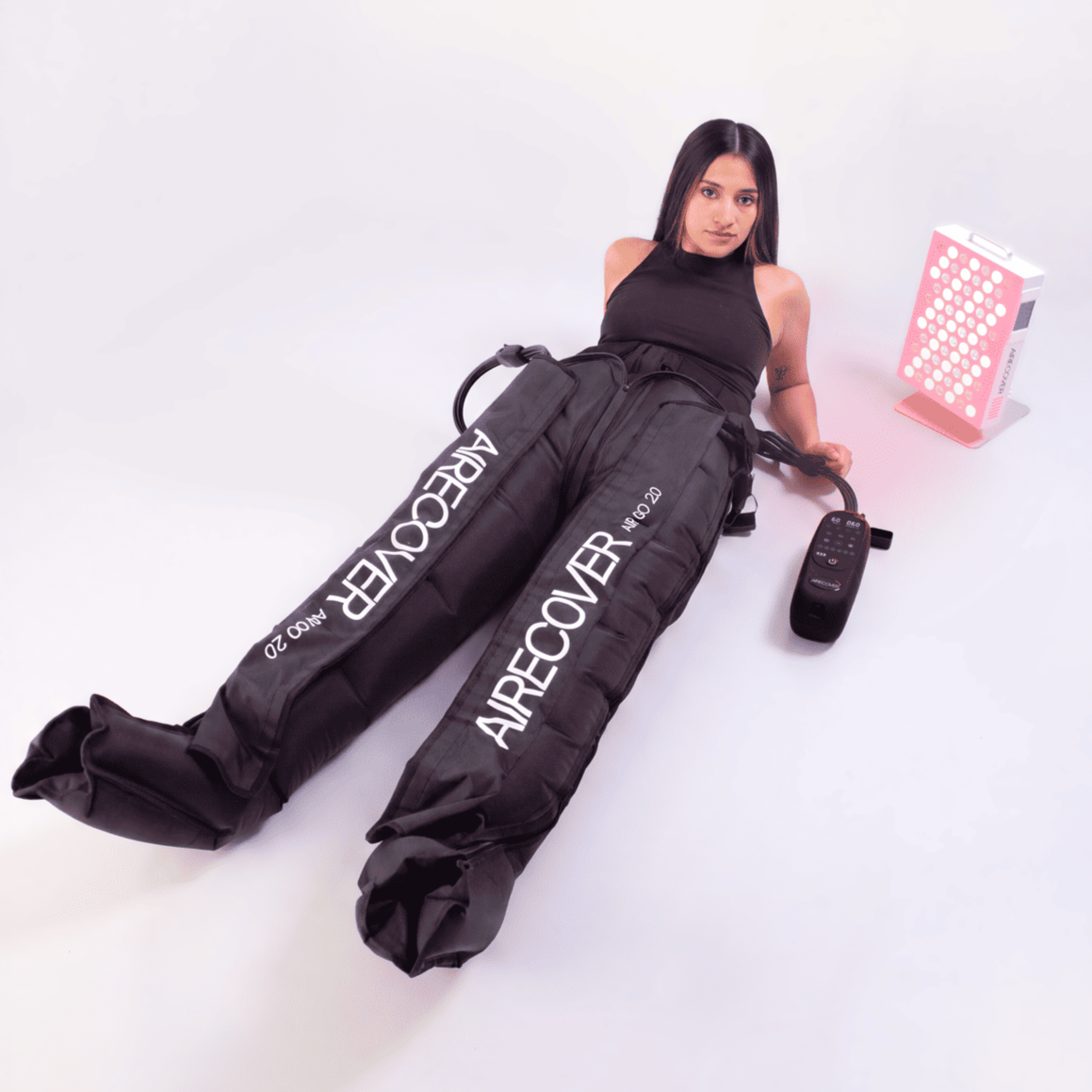
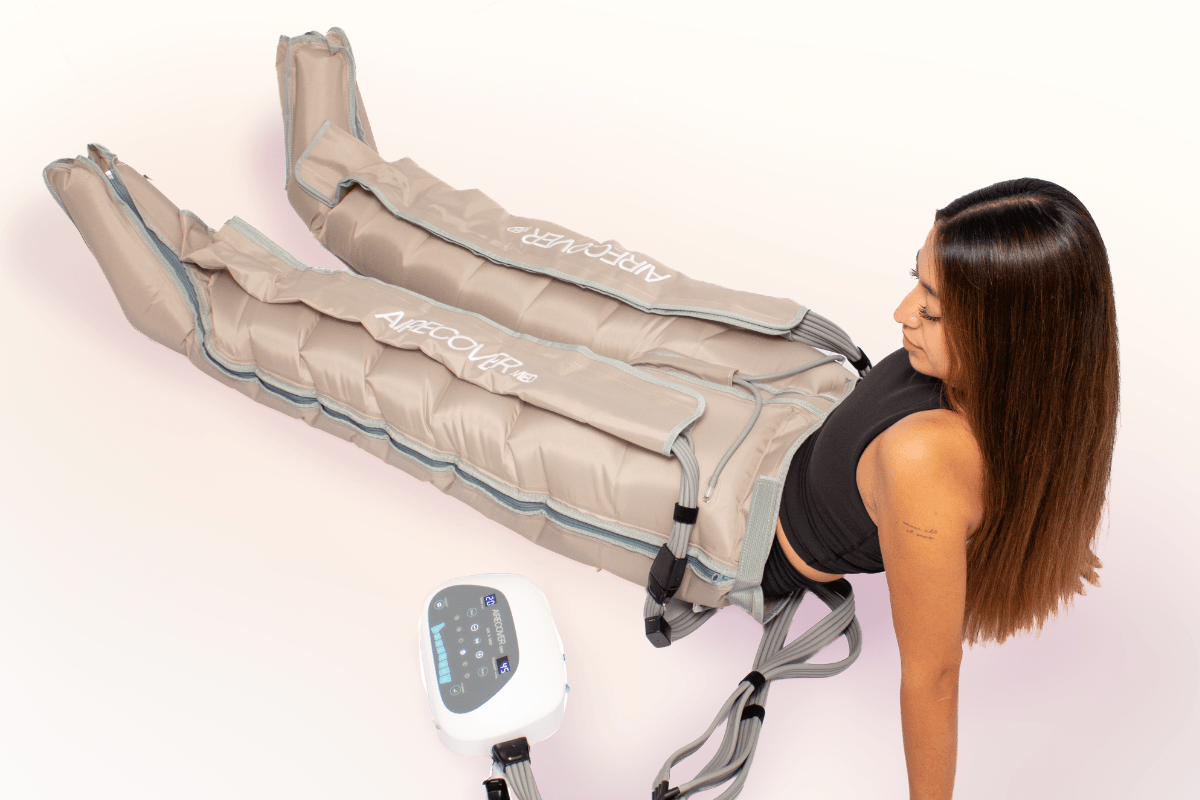
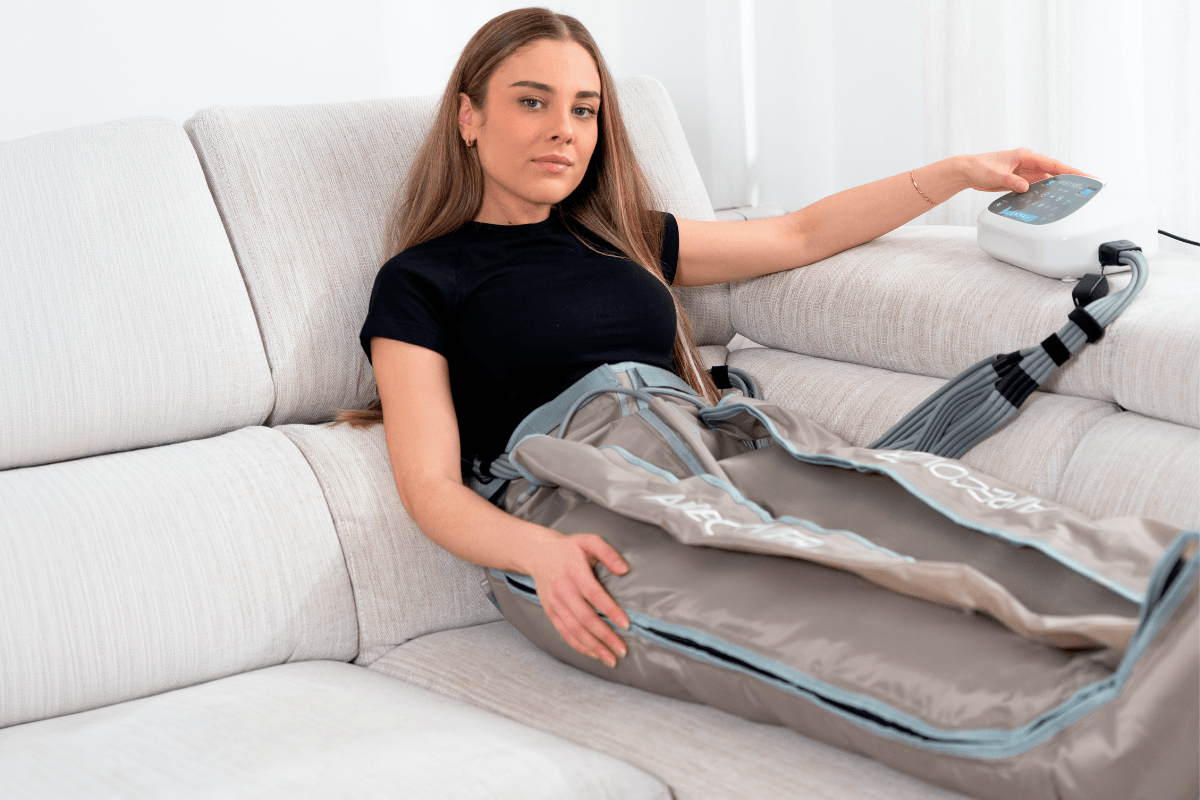
Pressotherapy uses sequential compression using air chambers that stimulate circulation and promote lymphatic drainage.
This type of massage helps to mobilize excess accumulated fluids, providing a pleasant sensation of lightness and rest, especially in people who suffer from tired legs or spend many hours standing or sitting.
Used constantly and accompanied by healthy habits, it can become a great ally to improve the well-being of your legs.
7. Maintain a balanced diet
Eating fruits, vegetables and foods rich in potassium can help maintain fluid balance in the body.
At the same time, it is advisable to limit the consumption of highly processed foods and prioritize a varied and balanced diet.
When should you consult with a professional?
Although fluid retention is usually related to lifestyle, there are situations in which it is advisable to see a health professional.
If the swelling appears suddenly, affects only one leg, is accompanied by intense pain, difficulty breathing or persists for long periods, it is important to assess its origin to rule out other causes.
Are you looking to relieve the feeling of swollen and heavy legs?
Discover how it works pressotherapy for fluid retention and learn about the BOOTECH equipment designed to enjoy sequential compression sessions comfortably from home.