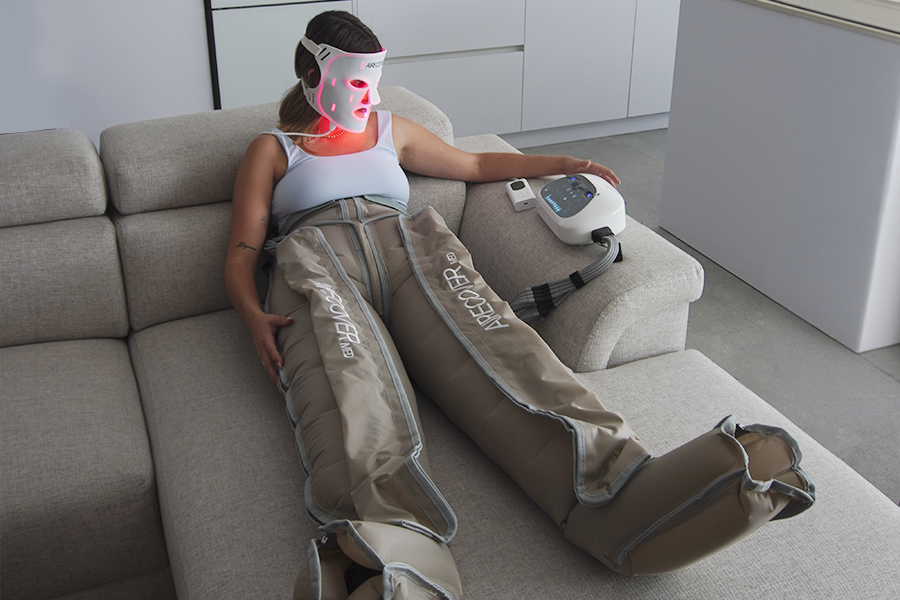
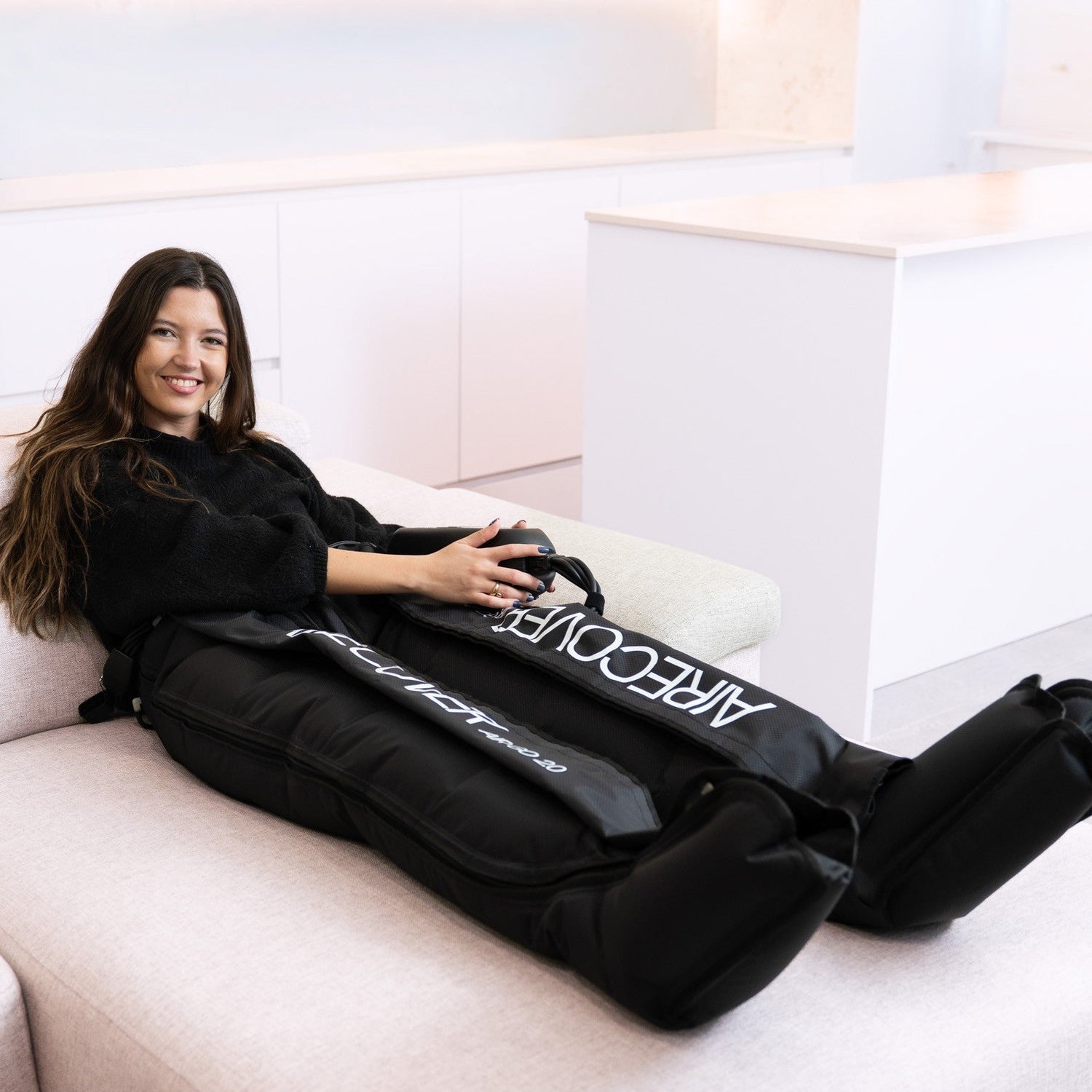
Poor circulation is a much more common problem than it seems, especially in women who spend many hours sitting, standing or doing little daily activity. The worrying thing is that many of its signals become normal until they begin to affect daily well-being.
Identifying these symptoms in time is key to improving circulatory health, reducing fluid retention and avoiding discomforts such as tired or swollen legs.
What is poor circulation and why does it affect women more?
Blood and lymphatic circulation is responsible for transporting blood, oxygen and nutrients throughout the body. When this system slows down, discomfort appears in the lower extremities, especially the legs.
In women, hormonal factors, sedentary lifestyle and lifestyle can intensify these symptoms.
Signs of poor circulation that you should not ignore
1. Tired or heavy legs
One of the first signs is the constant feeling of fatigue in the legs, even without having exerted physical effort.
2. Swelling in ankles and legs
Fluid buildup can cause swelling, especially at the end of the day.
3. Fluid retention
If you notice changes in body volume that are not directly related to diet, it may be due to poor circulation.
4. Appearance of cellulite
Poor tissue oxygenation favors the accumulation of fat and toxins.
5. Tingling or numbness
Poor circulation can cause small “pins and needles” sensations or lack of sensation.
6. Varicose veins or spider veins
They are visible signs that venous return is not working correctly.
How to improve circulation effectively
Adopting healthy habits is essential, but in many cases it is not enough to combat the effects of modern sedentary lifestyle.
- Walk daily to activate circulation
- Avoid sitting or standing for long hours without moving
- Maintain good hydration
- Elevate your legs at the end of the day
Pressotherapy: an effective solution to improve circulation
Pressotherapy is a non-invasive treatment that uses sequential air pressure to stimulate the lymphatic system and improve venous return.
It is especially beneficial for women with fluid retention, tired legs or a sedentary lifestyle.
Main benefits
- Improves blood circulation
- Reduces swelling and fluid retention
- Relieves the feeling of tired legs
- Helps improve the appearance of cellulite
- Promotes muscle recovery
Pressotherapy at home: comfort and daily well-being
More and more women are looking for practical solutions that they can integrate into their daily routine without having to go to specialized centers.
In this sense, pressotherapy devices at home have become an excellent alternative.
Within these options, the Airecover MED 6 pants model stands out as an advanced solution thanks to its 6 overlapping air chambers, which allow progressive and uniform compression on the legs.
This type of technology helps improve the feeling of lightness, reduce swelling and promote lymphatic drainage more completely.
You can learn more about the brand at Airecover.